

In the competitive beauty industry, packaging plays an important role in how consumers and influencers experience a brand. For product launches, influencer collaborations, and media outreach campaigns, a well-designed PR box can turn a simple product delivery into a memorable brand experience.
Unlike standard retail packaging, a beauty PR box is often designed to showcase multiple products, communicate a brand's identity, and encourage recipients to share their experience through social media content. For cosmetics brands, selecting the right box structure, materials, printing techniques, and internal layout is essential to balancing visual appeal, product protection, and budget.
This guide explains how to design an effective beauty PR box and what brands should consider when sourcing customized packaging for marketing campaigns.
A beauty PR box is a customized packaging solution used to present cosmetic products to influencers, journalists, brand ambassadors, and other selected recipients. It is commonly used for new product launches, seasonal campaigns, promotional events, and brand collaborations.
Retail packaging primarily protects a product and supports its presentation at the point of sale. PR packaging has an additional purpose: creating a distinctive unboxing experience that communicates the brand's story and encourages engagement.
A well-planned PR box may include:
Multiple cosmetic products: Such as lipsticks, eyeshadow palettes, blushes, or skincare items.
Brand messaging: Campaign names, product descriptions, launch dates, and personalized notes.
Custom inserts: Compartments that keep individual products organized and securely positioned.
Visual design elements: Brand colors, graphics, special finishes, and distinctive opening structures.
When planning custom cosmetic box packaging, brands should consider the entire recipient experience rather than focusing exclusively on the external appearance. The packaging should make the products easy to discover, protect them during shipping, and present them in a way that reflects the campaign's objectives.
The internal layout determines how products are arranged, protected, and revealed when the box is opened. A thoughtful layout can make even a compact PR kit feel organized and premium.
Different cosmetics require different levels of support. Lipsticks, glass skincare bottles, compact powders, and eyeshadow palettes vary in shape, weight, and fragility.
Custom inserts can help prevent products from shifting during transportation. Depending on the design, options may include paperboard dividers, shaped paper inserts, or other suitable insert materials.
For fragile products, brands should evaluate the packaging under realistic shipping conditions rather than relying on appearance alone.
Consider which product the recipient should see first and how the remaining items should be presented. A hero product may occupy the center of the box, while complementary products and campaign materials are arranged around it.
A personalized message or product information card can be placed near the top to introduce the campaign before the recipient explores the products.
This approach helps custom beauty packaging communicate a consistent brand message while making the unboxing experience easier to understand and share.

The appropriate box structure depends on the number of products, their dimensions, the required level of protection, and the campaign budget.
Rigid boxes are often considered for premium launches because they provide a substantial feel and support elaborate presentation. Folding cartons may be more suitable for lightweight kits, larger production quantities, or campaigns that prioritize efficient storage and shipping.
When evaluating materials, consider durability, surface quality, printing compatibility, and the weight of the finished package. The selected structure should accommodate the products without unnecessary empty space or excessive material use.
Brands should also assess how the box will be transported. A visually attractive package may still require additional protective shipping packaging to prevent crushing, scratching, or movement during delivery.
The visual design of a PR box should reflect the brand's positioning and the purpose of the campaign.
Color selection, typography, graphics, and logo placement help create a consistent identity across the packaging and the products inside.
Depending on the packaging material and production capabilities, brands may consider:
Foil stamping: To highlight logos or selected graphic elements.
Embossing and debossing: To add tactile details to the surface.
Matte or gloss finishes: To create different visual effects.
Custom printing: To communicate campaign themes, product information, and brand colors.
Not every project needs multiple decorative finishes. A restrained design with consistent branding can be more effective than a package containing too many competing visual elements.
When ordering custom cosmetic boxes, request a production sample or proof where appropriate. Review color appearance, logo placement, structural quality, insert fit, and the overall presentation before approving mass production.
A beauty PR box should meet the campaign's presentation goals while remaining practical to produce and distribute.
Start by defining the campaign quantity, product dimensions, target packaging budget, delivery locations, and required delivery date. These factors influence the box structure, material selection, printing process, and shipping arrangements.
For larger campaigns, compare quotations using the same specifications. Check whether each quotation includes inserts, finishing, sampling, setup costs, and protective shipping packaging.
Shipping is particularly important for influencer campaigns involving recipients across different regions. Oversized boxes can increase transportation costs, while insufficient protection may result in damaged products and a poor recipient experience.
A packaging supplier should help evaluate the relationship between structure, product protection, production feasibility, and total project cost.
Preparing a clear project brief helps reduce misunderstandings and production delays.
Before requesting a quotation, provide the supplier with:
Product dimensions, quantities, weights, and any fragile components.
The preferred box structure and approximate external dimensions.
Logo files, brand colors, artwork, and campaign messaging.
Insert requirements and product arrangement preferences.
Order quantity, target budget, and delivery deadline.
Shipping destinations and any special packaging requirements.
Ask the supplier to confirm production specifications, sampling arrangements, lead times, and artwork approval procedures before the order proceeds to manufacturing.
For beauty brands planning a launch or influencer campaign, COLORICH's custom packaging products provide a starting point for exploring packaging formats and discussing project-specific requirements.
Designing a successful beauty PR box requires a balance of brand storytelling, product presentation, structural protection, and production planning. The most effective packaging reflects the campaign's objectives while making products easy to discover and secure during delivery.
By planning the internal layout, choosing suitable materials, coordinating printing and finishing, and preparing complete artwork before production, beauty brands can develop PR packaging that supports a more consistent and memorable launch experience.
Working with an experienced packaging supplier can also help brands evaluate customization options, production feasibility, and costs before committing to a campaign order.
A beauty PR box can contain lipsticks, eyeshadow palettes, blushes, skincare products, beauty accessories, product information cards, and promotional materials. The box and inserts should be designed around the actual products included.
The best material depends on the product weight, protection requirements, desired appearance, budget, and shipping conditions. Rigid boxes may suit premium presentations, while folding cartons can be practical for lighter products and certain large-scale campaigns.
Yes. Depending on the supplier's capabilities, customization may include printed logos, brand colors, campaign graphics, foil stamping, embossing, and tailored inserts. Final options should be confirmed during the sampling and quotation process.
Brands can optimize box dimensions, simplify unnecessary structural features, select appropriate materials, and compare quotations using consistent specifications. Ordering quantities and finishing requirements can also affect unit costs.
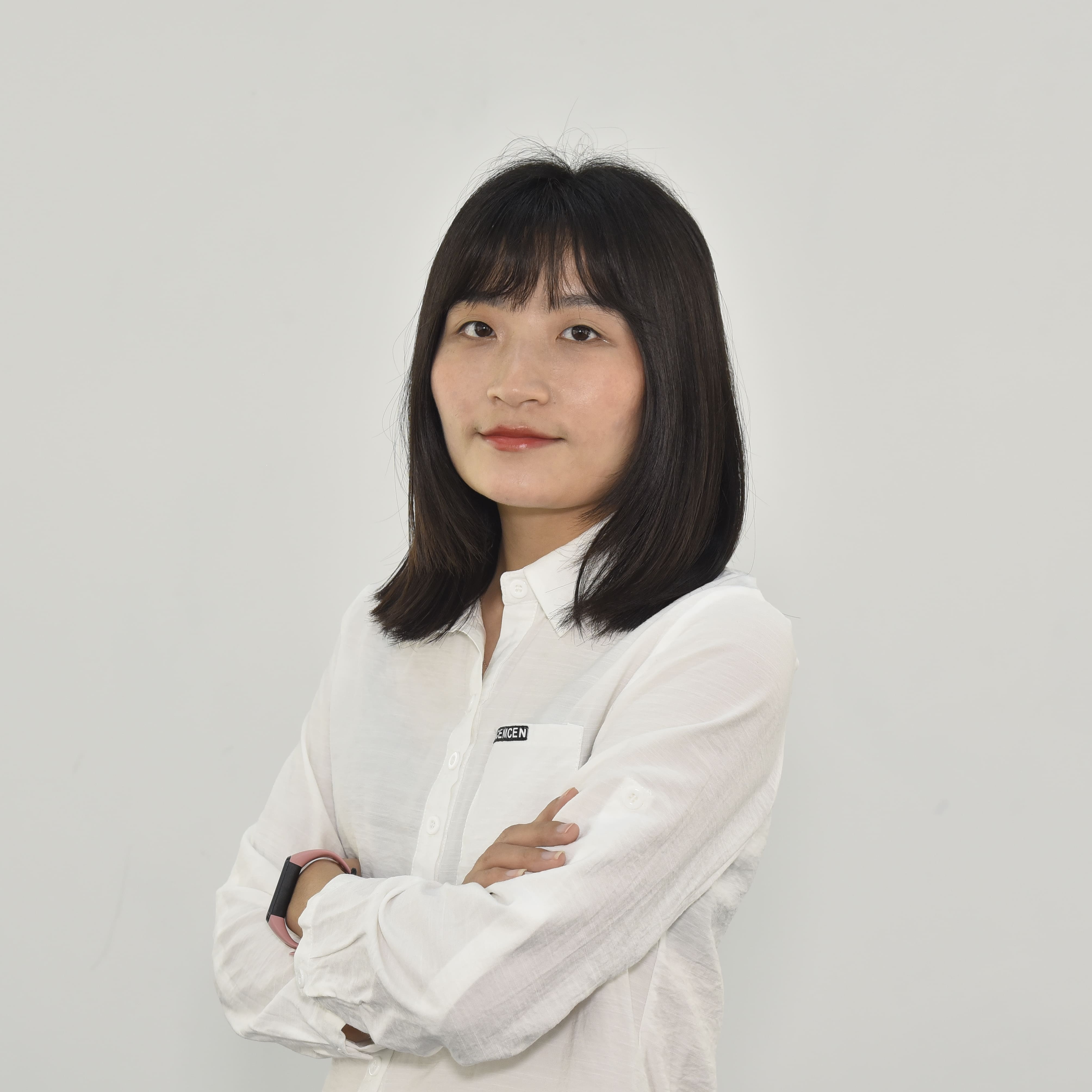
Hey,I'm Rachel Liao,the sales manager of Colorich Packaging.
With solid professional skills and acute market insight, focus on providing customers with customized packaging solutions and supply chain optimization services.
●Packaging demand analysis and solution design
●Customer development and long-term relationship maintenance
●Cost optimization and sustainable packaging practices

 en
 English
 日本語
 한국어
 français
 Deutsch
 Español
 italiano
 русский
 português
 العربية


