
In 2026, packaging decisions are increasingly shaped by regulation — not just branding. From extended producer responsibility programs to recyclability labeling and material restrictions, brands need packaging that travels across markets without constant redesign. A well-specified paper foldable box can meet many eco-compliance expectations while still delivering a premium unboxing experience. This guide explains what to watch for and what to ask your foldable gift box supplier when building recyclable, regulation-ready packaging.
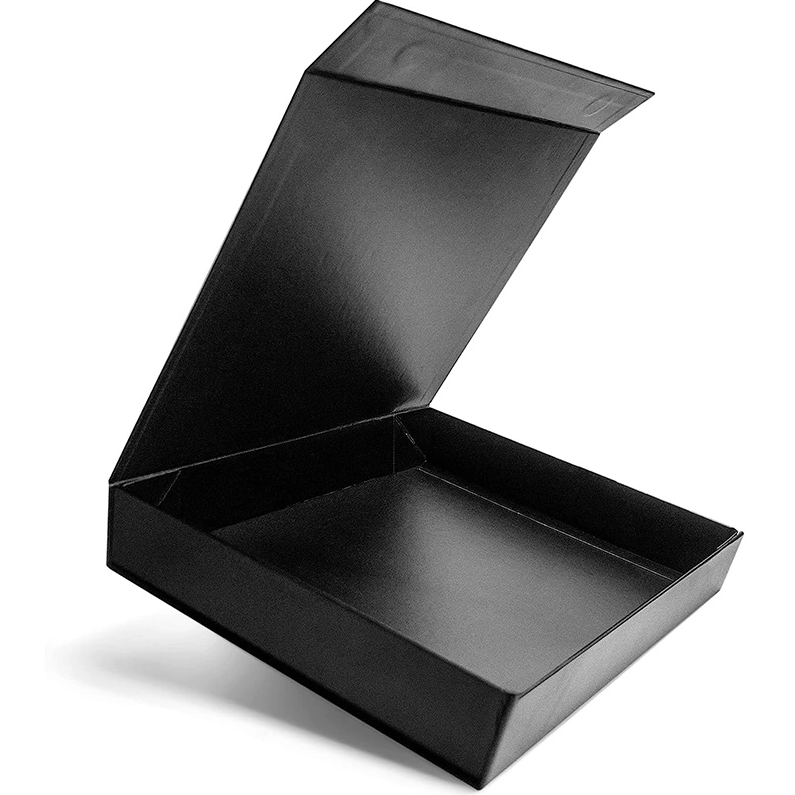
Packaging regulation is no longer a single standard — it is a patchwork of regional requirements that each demand slightly different things.
| Region | Key 2026 Pressure Points |
|---|---|
| European Union | EPR contributions based on packaging weight; recyclability claims must be substantiated |
| United Kingdom | Plastic Packaging Tax on packaging with less than 30% recycled content; recyclability labeling guidance |
| United States | State-level EPR programs expanding; FTC Green Guides update affecting recyclability claims |
| Major retailers (global) | Own sustainability scorecards require supplier documentation of material composition |
The compliance burden is shifting upstream. Brands are now responsible for demonstrating that their packaging is what they say it is — recyclable, reduced-weight, or made with certified materials. Vague claims like "eco-friendly" or "sustainable packaging" without documentation create legal risk in several markets.
Build packaging specs that are adaptable across multiple markets from the start — choose materials with the cleanest recyclability profile, document the bill of materials by component, and avoid design features that create compliance complications in one region even if they are accepted in another.
| Material | Recyclability | Premium Application |
|---|---|---|
| Greyboard or chipboard core | Widely recyclable in paper streams | Structural base for foldable rigid format |
| Coated art paper wrap | Recyclable in most paper streams when water-based coated | Surface for print; available in matte and textured finishes |
| Kraft paper wrap | Widely accepted; natural aesthetic | Premium sustainable positioning |
| Water-based adhesive | Does not contaminate paper recycling | Standard for responsible paper packaging |
| Paper-based insert (die-cut or pulp) | Fully recyclable | Replaces foam insert for product support |
| Feature | Recyclability Risk | Alternative |
|---|---|---|
| Plastic window | Non-paper component; may prevent recycling in some streams | Embossed or debossed reveal instead of window |
| Neodymium magnets | Metal contamination in paper stream | Tab and slot closure; removable magnet with instruction to separate |
| Glitter coating | Microplastic; not recyclable | Foil accent instead of glitter; metallic ink |
| Heavy UV or thick PE lamination | Separates from paper in recycling; may be rejected | Light matte aqueous coating; no lamination on kraft wraps |
The goal is not to eliminate all premium finishes — it is to concentrate them in limited areas and choose paper-compatible alternatives where the visual impact is equivalent.
| Finish | Eco Profile | Visual Effect |
|---|---|---|
| Matte aqueous coating | Better than PE lamination; widely accepted | Clean, professional look; low glare |
| Soft-touch aqueous (water-based) | Depends on formulation — confirm with supplier | Velvet feel; premium perception |
| Spot UV (limited area) | Acceptable when used on small surface area | Contrast gloss detail on matte base |
| Hot foil (small accent) | Metal foil component — specify removal instruction if needed for compliance | Luxury focal point |
| Soy or vegetable-based ink | Lower VOC than solvent inks; preferred in responsible sourcing programs | Full-color print; no visual compromise |
What is the coating type — PE lamination, aqueous, or UV? Can you provide the formulation category?
Are inks soy-based, vegetable-based, or water-based? Do you have a declaration available?
What is the total plastic content by weight in this packaging specification?
Can you provide a component-level material breakdown (board weight, wrap paper weight, adhesive type, insert material)?
Rub resistance: confirm ink and coating do not transfer under handling
Scuff resistance: confirm exterior holds up during transit without protective over-wrapping
Color consistency: physical proof under your standard lighting — approve before print run begins
| Document | Purpose | When Required |
|---|---|---|
| Material specification sheet | Confirms board weight, wrap paper, adhesive, and coating type | EPR reporting; retailer sustainability audits |
| Bill of materials (BOM) by component | Breaks down each element of the packaging unit | Required for EPR weight-based contribution calculations |
| Recyclability statement | Confirms which components can be recycled and in which streams | FTC, EU Green Claims Directive compliance |
| FSC or PEFC chain of custody certificate | Confirms paper sourced from certified forests | Required by some retailers and preferred in EU market |
| Batch/lot traceability record | Links production run to material certificates | Required for quality investigations; good practice for all markets |
The most efficient approach is to standardize the BOM and material documentation at the SKU level — so that when a retailer or regulator requests compliance documentation, you have a complete package ready rather than collecting information from multiple suppliers under deadline pressure.
Work with your foldable gift box supplier to produce a single-page material declaration for each SKU covering: board type and weight, wrap paper type and weight, adhesive category, coating type, ink category, insert material, and closure method. This document travels with every reorder and eliminates the most common audit delays.
| Field | What to Specify | Notes |
|---|---|---|
| Box dimensions | Inner length × width × depth | Based on product dimensions plus clearance |
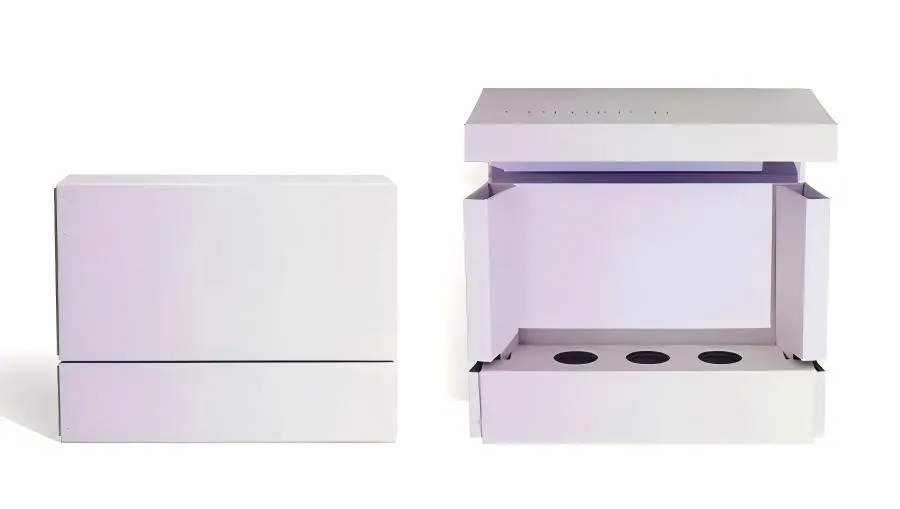
| Structure | Foldable rigid (ship flat; assemble before use) | Confirm fold mechanism and tab/lock style |
| Board thickness | 1200–2000 gsm greyboard typical | Heavier for larger or heavier products |
| Wrap paper | Type, weight, finish, color | Confirm recyclability profile |
| Insert type | Die-cut paper, pulp tray, or paper-wrapped foam | Specify paper-based for cleanest recyclability |
| Closure method | Tab and slot, magnetic (with separation instruction), ribbon | Tab and slot is cleanest for recyclability |
| Print method | Offset, digital, or screen | Confirm ink type |
| Finish | Matte aqueous, spot UV area (specify %), foil accent (specify area) | Limit mixed-finish complexity |
| Flat-pack configuration | How units are packed flat for freight | Confirm carton count and orientation |
| Test | Method | Pass Criteria |
|---|---|---|
| Assembly check | Fold and assemble 5 units | Clean fold; no tearing; tab locks secure |
| Drop test | 90 cm drop on each face | No corner crush; product inside undamaged |
| Humidity exposure | 24 hours at 85% RH | No warping or adhesive failure |
| Transit simulation | Vibration table or simulated freight | Box maintains shape; no rub damage to surface |
| Rub and scuff test | White cloth rub on exterior | No ink or coating transfer |
Eco-compliance in 2026 is not about chasing a single rule — it is about building packaging that is clearly specified, recyclable by design, and documented well enough to travel across markets. A regulation-ready paper foldable box can help brands reduce risk while delivering a premium customer experience. The key is working with an experienced foldable gift box supplier who understands not just materials and finishes but the documentation and audit trail that modern compliance programs demand.
Q1: Are paper foldable boxes recyclable?
Most are recyclable when constructed primarily from paper-based materials with water-based adhesives and minimal mixed-material components. Recyclability depends on the specific materials used and the recycling infrastructure in the target market. A component-level material declaration from your supplier is the most reliable way to confirm and document the recyclability claim.
Q2: What features reduce the recyclability of a foldable gift box?
Plastic windows, neodymium magnets embedded in the board, glitter coatings, thick PE lamination, and foam inserts are the most common features that complicate paper recycling. Each can be replaced with a paper-compatible alternative without significant loss of visual impact or structural performance.
Q3: How do I choose finishes that look premium but remain eco-friendly?
Use limited-area effects — a small foil accent, a controlled spot UV zone — rather than full-surface lamination. Choose aqueous matte coating over PE lamination for the base surface. Select soy or vegetable-based inks. The goal is concentrating premium effects in specific design moments rather than applying them uniformly.
Q4: What should I ask a foldable gift box supplier for compliance support?
Request a component-level bill of materials covering board type, wrap paper, adhesive category, coating formulation, ink type, and insert material. Ask whether they hold FSC or PEFC chain of custody certification. Confirm the total plastic content by weight. These four items cover the documentation requirements for most 2026 EPR and retailer sustainability programs.
Q5: Why do brands choose foldable rigid boxes over fully assembled rigid boxes?
Foldable rigid boxes ship flat and assemble at the point of use or packing. This reduces freight volume — sometimes by 60–70% compared to pre-assembled rigid boxes — and lowers storage cost. The assembled structure still delivers a premium rigid-box experience for the end customer, making foldable rigid the most logistics-efficient format for premium paper packaging at scale.

Hey,I'm Rachel Liao,the sales manager of Colorich Packaging.
With solid professional skills and acute market insight, focus on providing customers with customized packaging solutions and supply chain optimization services.
●Packaging demand analysis and solution design
●Customer development and long-term relationship maintenance
●Cost optimization and sustainable packaging practices

 en
en  English
  日本語
日本語  한국어
한국어  français
  Deutsch
  Español
  italiano
  русский
  português
  العربية