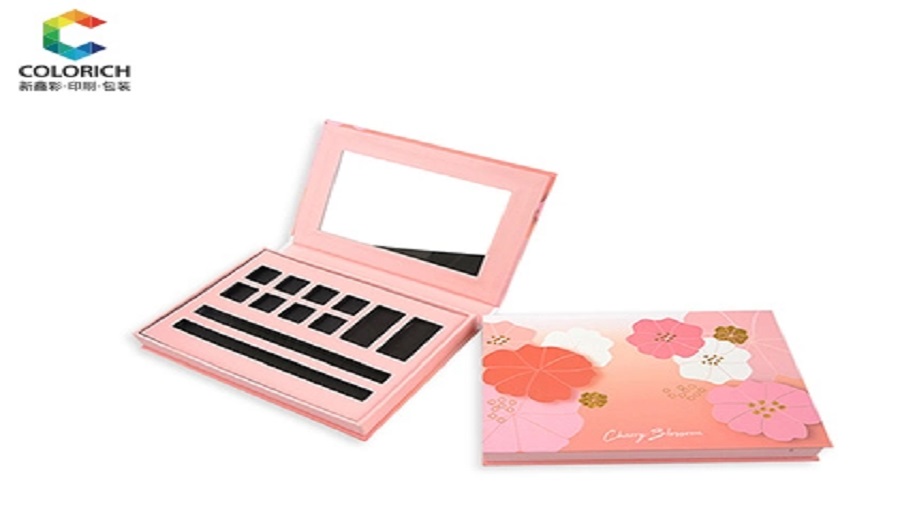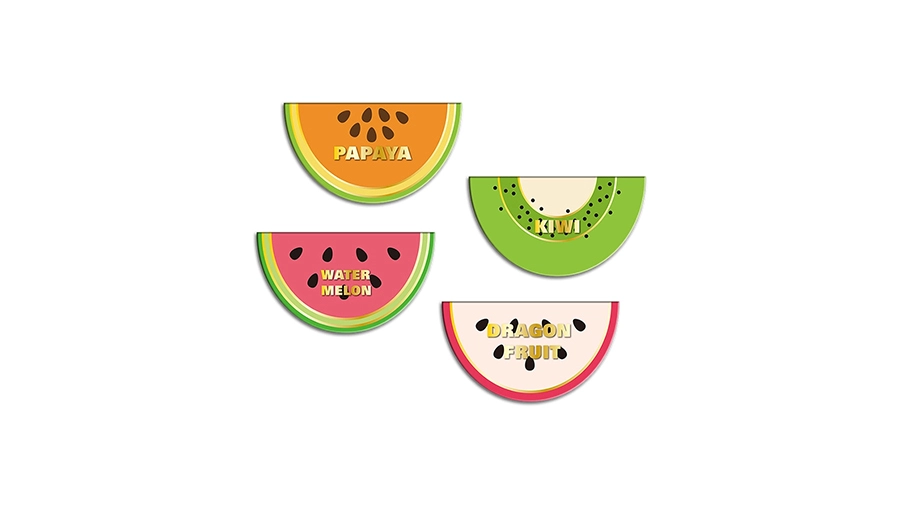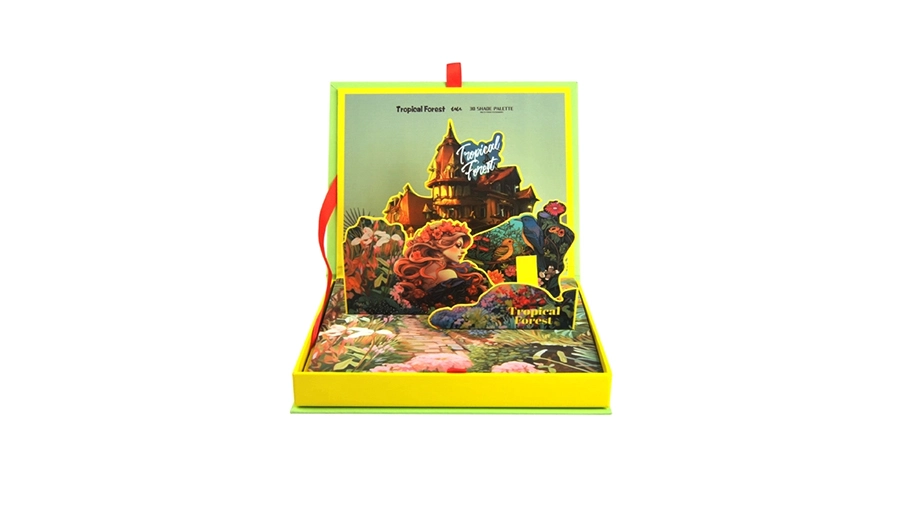

When sourcing an empty makeup palette for a product launch, the most expensive problems rarely appear during sampling. They appear after the deposit is paid and the bulk order arrives: board thickness that feels lighter than the approved sample, magnetic closures that snap weakly or misalign, and carton corners dented from transit that downgrade shelf appeal before the product reaches the consumer. For an empty cardboard eyeshadow palette specifically, the risk is compounded — board strength, wrapping tension, glue quality, and edge protection all interact to determine whether the finished product survives the journey from factory to retail floor.
In 2026 B2B procurement, buyers also need stronger traceability, ESG-friendly material documentation, and suppliers who can prove consistency across repeat batches — not just deliver a convincing sample. This article builds the five-check sourcing framework that separates reliable manufacturers from ones who will cost you more in rework, returns, and delayed launches than they saved on unit price.
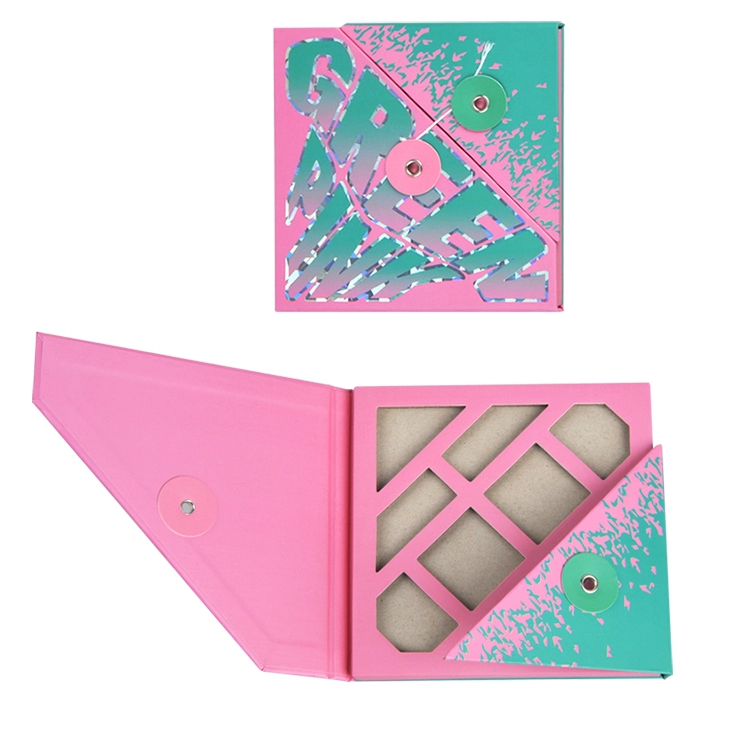
An empty makeup palette looks straightforward from the outside, but its performance in transit and at retail depends on several interacting components:
Paperboard core: the structural foundation — board grade and thickness determine rigidity, corner resistance, and how well the palette holds its shape under compression in a master carton
Wrapping paper or lamination: the surface layer that carries the print and finish — wrapping tension and corner folding technique determine whether edges are sharp or soft, and whether the surface shows stress marks
Inner tray or insert: holds the pans in position — tolerances must match the pan dimensions exactly to prevent movement and rattling
Magnetic closure system: magnet size, grade, placement, and steel plate alignment determine the snap feel and hold force that customers associate with quality
Hinge and crease areas: must survive repeated opening and closing without delaminating or cracking
| Component | Common Bulk Substitution | Customer Impact |
|---|---|---|
| Board grade | Lighter weight to reduce cost | Weaker corners, denting in transit |
| Magnet size or grade | Smaller or lower-grade magnet | Weak snap, closure that opens in bags |
| Glue type | Different adhesive for cost or availability | Odor complaints, delamination over time |
| Wrapping tension | Less controlled in bulk production | Loose corners, surface bubbling |
| Paper wrap quality | Different batch or supplier | Color shift, texture inconsistency |
The gap opens because samples are often made by hand or in a controlled small-batch environment, while bulk production runs on automated lines with different material sourcing. Without a locked Bill of Materials and a golden sample that production is contractually required to match, substitutions happen — sometimes intentionally, sometimes through supply chain changes the manufacturer does not flag.
View Colorich empty makeup palette packaging options
Sampling speed matters for launch timelines, but the more important question is what controls are in place to ensure bulk production matches the approved sample. Ask for:
A confirmed sampling timeline (typically 7 to 15 working days for a standard cardboard palette)
A written rule that production must follow the approved golden sample plus a locked BOM specifying board grade, magnet spec, paper, and glue type
A retained golden sample held at the factory for reference during production and for dispute resolution
MOQ requirements vary significantly by palette size, printing complexity, and finishing. Confirm:
MOQ by specific configuration (size, finish, pan layout)
How unit pricing changes at higher volumes — the scale-up curve affects your margin planning
Whether the manufacturer can support both pilot runs and mass production without changing production lines or material sources
The magnetic closure is the tactile quality signal that customers notice most. Specify it precisely:
Target snap force and hold force (can be measured with a simple pull gauge)
Magnet dimensions and grade (N35, N38, N52 — higher grade means stronger field for the same size)
Placement tolerance — misalignment by even 1 to 2mm changes the snap feel noticeably
Open/close cycle expectation — how many cycles must the closure survive without weakening
Require drop test validation before approving the packaging specification:
Define drop height, orientation (corner, edge, flat), and whether testing is packed or unpacked
Define acceptance criteria — maximum acceptable corner dent depth, closure integrity after drop, no delamination
Confirm master carton configuration: units per carton, inner dividers, corner protection, and carton burst strength
Glue odor is a complaint that reaches the end consumer — and in premium or sensitive markets, it can trigger returns and negative reviews. Confirm:
Low-odor adhesive options and the specific adhesive used in the approved sample
Odor testing method and acceptable threshold
Time-to-dissipation after production — some adhesives off-gas significantly in the first weeks after manufacture, which matters for products with short lead times to retail
For eco-positioned product lines, also review material documentation for the cardboard and paper components: Eco-Friendly Empty Makeup Palette Options
Colorich operates as a source factory — not a trading company — which means quality control is applied at every stage of production rather than only at final inspection.
| QC Stage | What Is Checked | Why It Matters |
|---|---|---|
| Incoming material (IQC) | Board grade and thickness, magnet dimensions and grade, paper batch | Prevents substituted materials from entering production |
| Golden sample lock | BOM confirmed against approved sample before production release | Ensures bulk production starts from the correct specification |
| In-process QC | Magnet placement tolerance, wrap tension, corner fold quality, glue application | Catches process drift before it affects the full batch |
| Finished goods QA | Appearance under defined lighting, closure snap check, scratch and rub resistance, random drop test sampling | Confirms the finished product meets the approved standard |
| Batch traceability | Lot numbers and production records linked to each shipment | Enables root cause analysis and corrective action if issues appear in the field |
This workflow is what separates a manufacturer who can deliver a good sample from one who can deliver consistent bulk production. Ask any prospective supplier to walk you through each stage and provide example records — a manufacturer with a mature QC system will have documentation ready; one without will struggle to answer the question.
Short sampling time and low MOQ are the primary requirements. The risk is that manufacturers who accommodate low MOQs may not have the process controls to maintain consistency when the order scales. Confirm that the same production line and material sources will be used for repeat orders.
Stable quality at scale and strong transit packaging for long shipping routes are the priorities. Master carton configuration, inner dividers, and palletization plan should be confirmed before the first bulk order — not after the first damage claim.
Odor control, corner protection, and high-end finishes are non-negotiable. Soft-touch lamination, foil stamping, embossing, and spot UV all require specific paper and board combinations — confirm finish compatibility with the wrapping material before sampling to avoid surface cracking or delamination on the finished product.
Paper-based structures with documented material sourcing support sustainability claims. Confirm FSC certification status, recycled content percentage, and whether the adhesive and lamination are compatible with the brand's environmental positioning.
Before finalizing the palette specification, share your filling line parameters with the manufacturer:
Pan size and depth — insert tolerances must match exactly to prevent movement
Glue point locations — must not interfere with pan placement or label areas
Label placement zones — confirm clearance from edges and closures
| TCO Component | Cost Driver | Control Lever |
|---|---|---|
| Reject rate | Weak magnets, corner damage, odor complaints | Locked BOM, drop test validation, low-odor adhesive |
| Rework labor | Misaligned wrapping, delamination, surface defects | In-process QC and wrap tension control |
| Damage claims | Inadequate transit packaging | Drop test, master carton spec, inner dividers |
| Launch delays | Sampling rework, bulk non-conformance | Golden sample lock and pre-production sign-off |
| Reorder inconsistency | Material substitution between batches | Retained golden sample and documented spec sheet |
Standardizing one palette size across multiple SKUs reduces tooling cost, simplifies parts stocking, and makes reorder management more predictable. Reducing finish complexity — for example, choosing one lamination type across a range rather than mixing matte, gloss, and soft-touch — reduces changeover time and contamination risk between production runs.
Choosing an empty makeup palette manufacturer is less about finding a beautiful sample and more about controlling repeatability. Sampling speed, MOQ practicality, magnetic closure consistency, drop-test performance, and glue odor management are the five checks that determine whether bulk production delivers what the sample promised. When those checks are verified with documented QC — locked BOM, golden sample retention, in-process controls, and batch traceability — an empty cardboard eyeshadow palette can scale from pilot runs to mass production with fewer disputes, fewer damages, and better on-shelf presentation.
View Colorich palette packaging options and submit your requirements for a matched recommendation and quotation:
Empty Makeup Palette Packaging — View Options and Request a Quote
To receive the right structure, magnet specification, and transit packaging plan for your program, provide the following:
Work conditions: Destination market, shipping method (air or sea), sales channel (e-commerce or retail), and odor sensitivity requirements.
Quantity: Sample quantity, first order quantity, annual forecast, and target delivery timeline.
Size and spec: Palette dimensions, number and size of pans, magnetic closure style, mirror requirement, and finishing preferences (foil, emboss, soft-touch, spot UV).
Target metrics: Sampling time target, MOQ target, drop-test requirement, acceptable corner dent threshold, and odor or VOC requirement.
Current problem: Sample-to-bulk mismatch, weak magnetic closure feel, corner damage in transit, glue odor complaints, or high defect rate on current supplier.
1. What is an empty makeup palette?
An empty makeup palette is the packaging component — without cosmetics filled — designed to hold eyeshadow, blush, contour, or highlight pans and present the product with branding, a magnetic or snap closure, and a protective structure. It typically consists of a paperboard core, a wrapping paper or laminated surface layer, an inner tray or insert to position the pans, and a closure system. The palette is the primary brand touchpoint for the consumer and must perform structurally through shipping, retail handling, and repeated daily use.
2. How does an empty cardboard eyeshadow palette compare with a plastic palette?
Cardboard palettes support eco positioning, premium printing and finishing options (foil, emboss, soft-touch), and are generally preferred for brands with sustainability commitments. Plastic palettes offer higher inherent impact resistance and water resistance, and may be preferred for products with high transit risk or humid destination markets. The best choice depends on brand positioning, shipping route and conditions, closure requirements, and whether the brand's customer base values eco credentials. Many premium brands use cardboard with reinforced corners and strong master carton packaging to achieve both the aesthetic and the transit durability they need.
3. What is the ROI of choosing a higher-QC manufacturer for empty makeup palettes?
ROI comes from avoided costs that do not appear on the unit price comparison: fewer defective units reduce material waste and rework labor; fewer damage claims reduce replacement and shipping cost; fewer odor complaints reduce returns and customer service time; and consistent bulk quality reduces the launch delays that occur when non-conforming bulk requires rework or resampling. A manufacturer whose unit price is slightly higher but whose defect rate is significantly lower will almost always deliver better total program economics than a cheaper supplier with inconsistent quality.
4. Do we need to modify our filling or packing line when switching palette suppliers?
Sometimes minor adjustments are needed. Pan size tolerances, insert depth, glue point locations, and label placement areas can all vary between suppliers — and a mismatch with your filling line creates production stoppages and rework. Sharing your filling process parameters and pan dimensions with the new supplier before sampling allows them to design the insert and glue points to fit your line rather than requiring you to adapt to their standard. This conversation is most productive before the golden sample is approved, not after bulk production has started.
5. What parameters should we provide for accurate palette selection and quoting?
Provide the following: palette dimensions (length, width, depth), pan layout and pan size, material preference (cardboard grade, eco certification requirements), closure type and target magnetic snap force, finishing requirements (lamination type, foil, emboss, spot UV), MOQ and lead time targets, shipping route and method, drop test requirement and acceptance criteria, odor or VOC requirements, and your current failure mode if switching from an existing supplier. Complete information at the inquiry stage allows the manufacturer to recommend the correct board grade, magnet specification, and transit packaging configuration for your specific program.

Hey,I'm Rachel Liao,the sales manager of Colorich Packaging.
With solid professional skills and acute market insight, focus on providing customers with customized packaging solutions and supply chain optimization services.
●Packaging demand analysis and solution design
●Customer development and long-term relationship maintenance
●Cost optimization and sustainable packaging practices

 en
en  English
  日本語
日本語  한국어
한국어  français
  Deutsch
  Español
  italiano
  русский
  português
  العربية